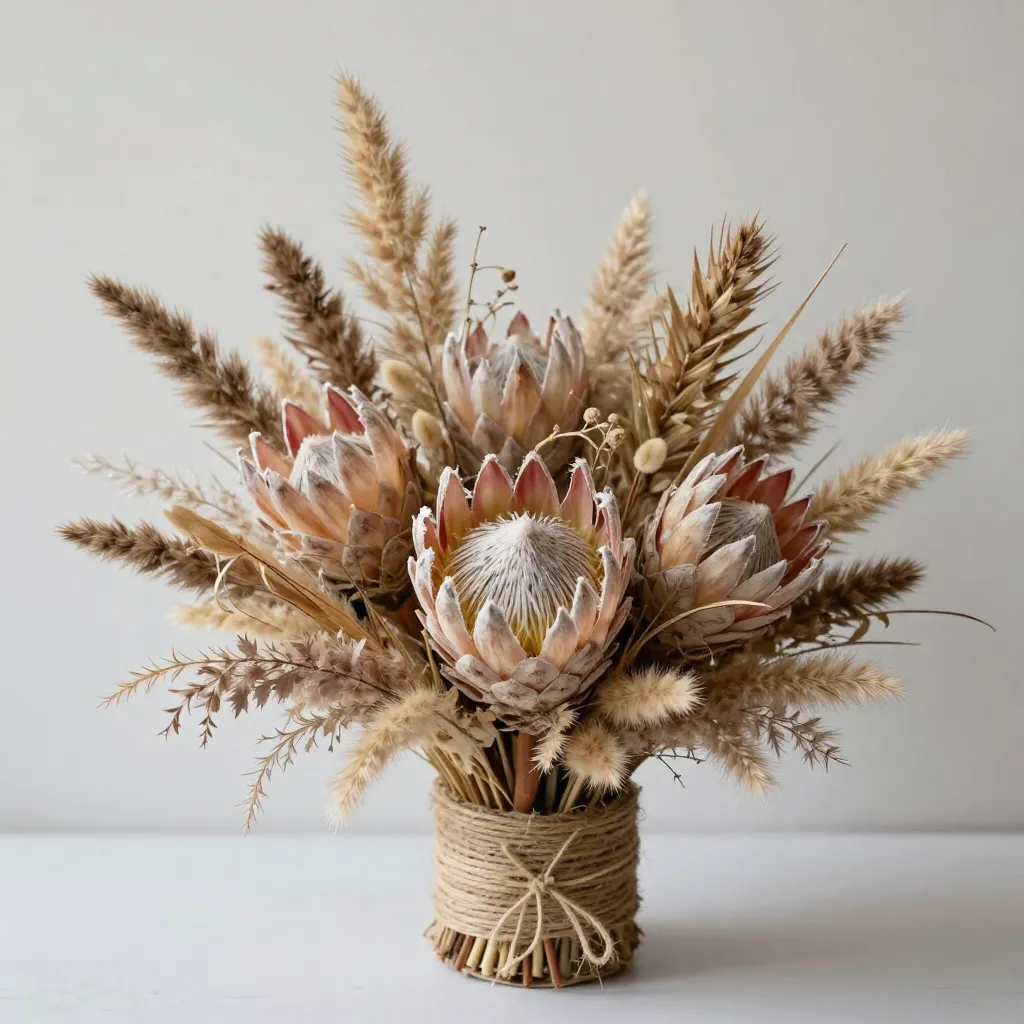
The Chronicle
A visual journey through the art of patience and preservation
The Drying Process
Preservation is a gradual transformation. From the initial selection of fresh botanicals to the final preserved state, each stage requires careful attention and patience. This timeline illustrates the journey from vibrant, saturated blooms to delicate, structural dried specimens.
The Art of Patience
Time Requirements
Preservation timelines vary significantly based on method and botanical type. Air-curing may take several weeks, while silica gel suspension can complete in days. Understanding these timelines is essential for planning.
Environmental Control
Temperature, humidity, and air circulation all influence the preservation process. Controlled environments ensure consistent results and prevent issues such as mold or excessive brittleness.
Monitoring Progress
Regular monitoring allows for adjustments during the preservation process. Visual inspection and gentle testing help determine when preservation is complete and the botanical is ready for use.
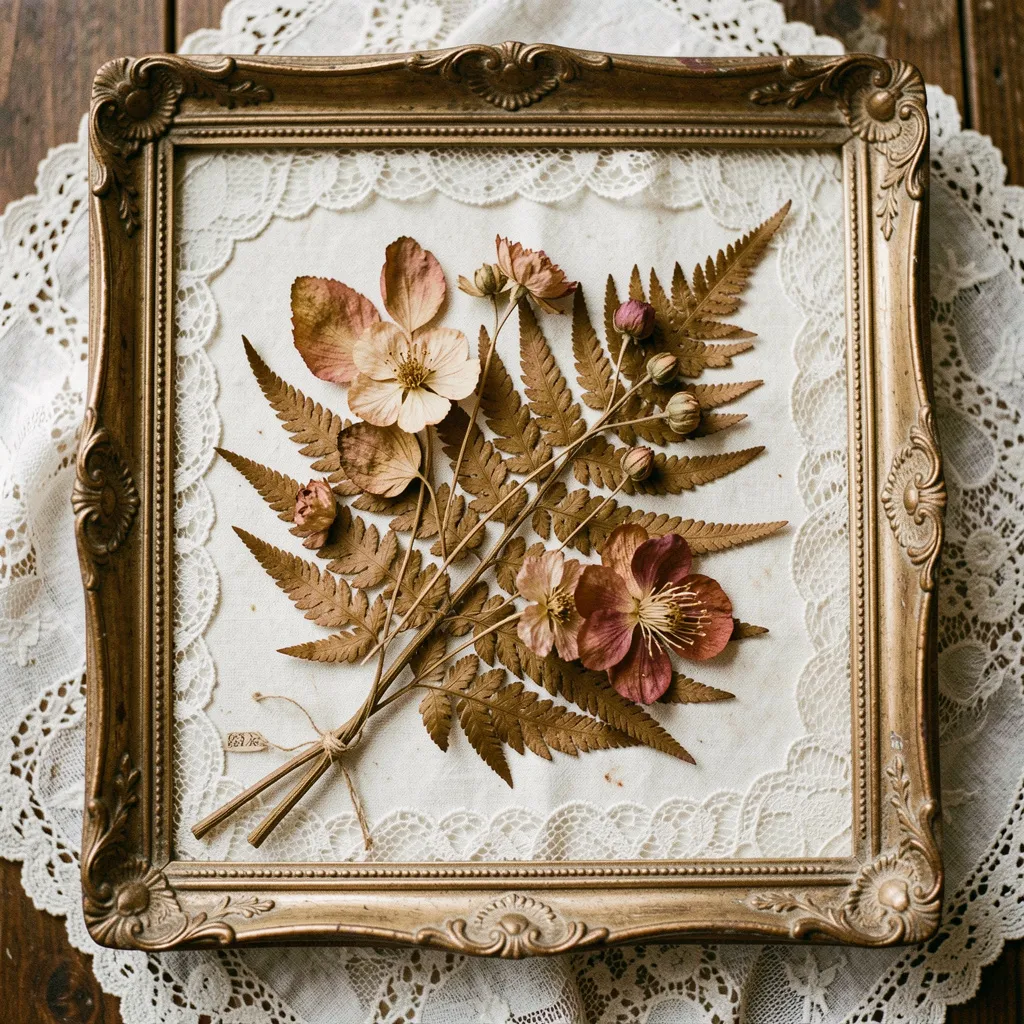
From Fresh to Preserved
Each stage represents a careful balance between preservation and natural transformation
Color Evolution
Colors naturally shift during preservation, often becoming more muted and desaturated. This evolution is part of the preserved botanical's character, creating a distinct aesthetic that differs from fresh materials.
Texture Changes
As moisture is removed, textures become more delicate and paper-like. Petals and leaves gain a fragile quality that requires careful handling while maintaining their essential forms.
Structural Preservation
Despite changes in appearance, the fundamental structure of botanicals is preserved. Stems, petals, and leaves maintain their shapes, allowing for arrangements that celebrate natural forms.